
La bella figura: what a good impression asks of public relations
A childhood memory of practising poise at a bus stop leads to la bella figura, the Italian idea of making a good impression. This article considers why integrity is a practice, and why an organization's presentation lasts only when it is authentic to what it actually does.

Systems thinking: giving people time to get there
Developing a communications plan involves learning that others need time to participate in. Drawing on nonprofit board work and systems thinking studies, this article considers how people can help shape recommendations while the direction is still open.

Culture shift: what we owe the people we work with
Public engagement makes a promise: your contribution will influence the decision, and you will hear how. What would change if organizations made that same promise to their own staff?

Is this real? The question every survey letter has to answer first
Before people answer an unexpected letter from a public body, they check whether it is real. Lessons from a household survey on making that check easy.
Civic self-esteem: reflecting a town back to itself
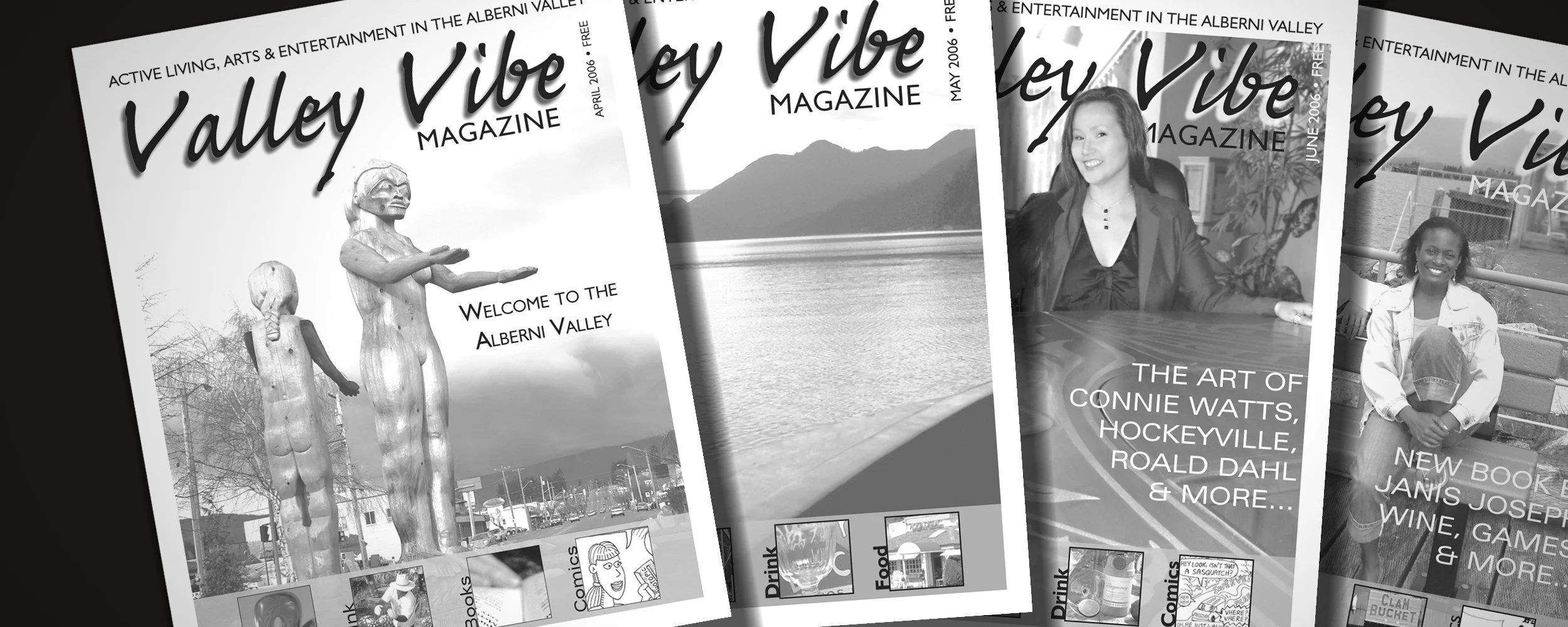
In 2006 I started Valley Vibe, a free monthly magazine in Port Alberni. It ran for four issues and was a master class in communication.

Bridging divides: participation needs authority
A conversation with a hereditary chief stayed with me through my master’s research. Why a seat at the table is not enough, and what it takes for people’s contributions to shape a decision.

Carrying capacity: what a place can hold
An anthropology exam, the Whole Earth Catalog and conversations around a solstice fire shaped my understanding of carrying capacity. A reflection on bioregionalism, community choices and what it means to live within the limits of a place.

Workplace technology: privacy, power and trust
A reflection on the ethical responsibilities behind workplace technology: protecting employee privacy, explaining limits on data use and making reliable commitments.

A sensitive matter: core messages first
How a government asbestos inventory was explained to more than ten audiences, and why core messages, written first, kept every one of them working from the same facts.

The stories we tell ourselves: assumptions and organizational change
The stories we tell about a team can overlook the conditions shaping its work. A reflection on how questioning our own explanations can make room for understanding and a more useful conversation about change.

Government relations for nonprofits: being known before you need something
When a nonprofit’s funding is cut, the relationships it has with government matter. What a 2018 government relations plan for an Indigenous-led training society showed about being known before you need something.
Flood relief: who pays when we build where it floods
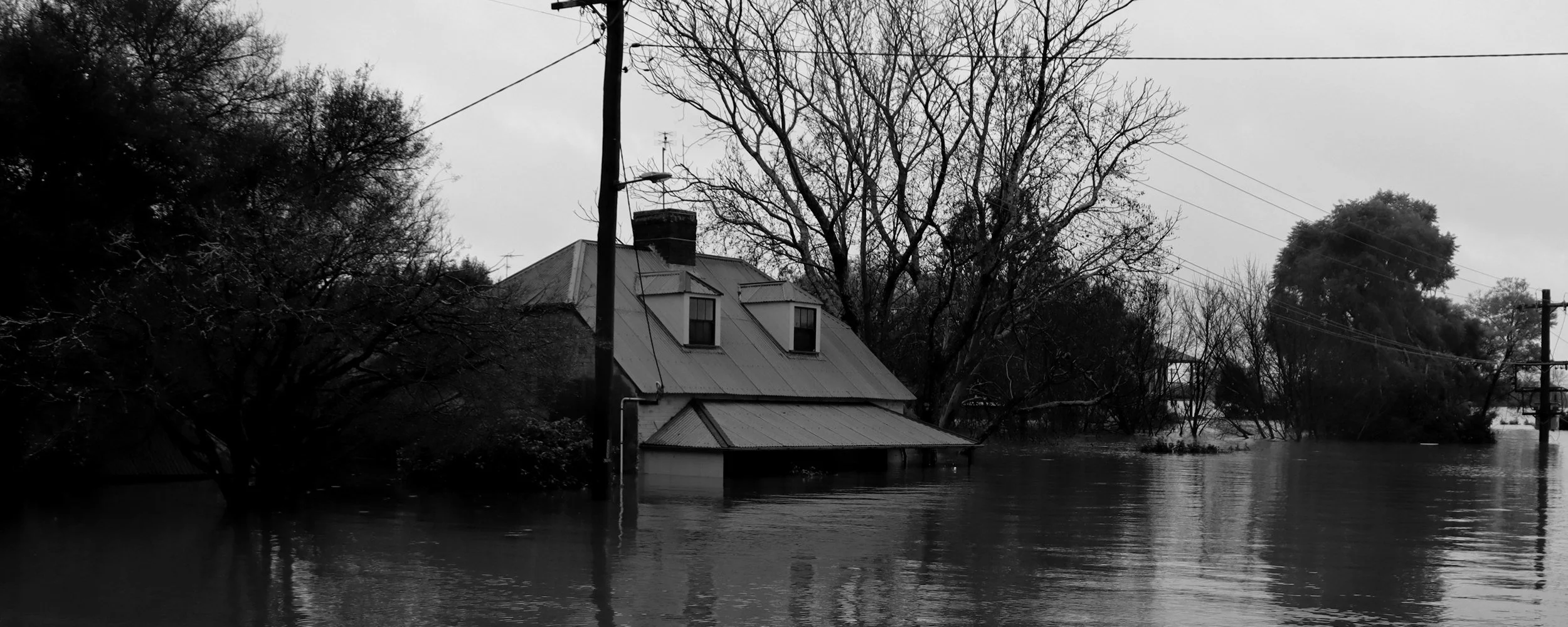
In May, the Kettle and Granby rivers flooded Grand Forks, and many owners had no flood insurance. Why we keep building where it floods, what land use planning and managed retreat can do, and how to announce a change people will not welcome.